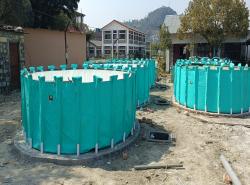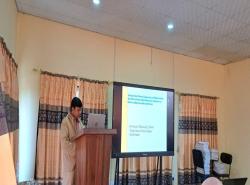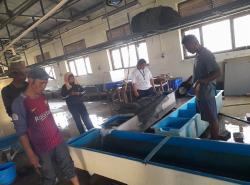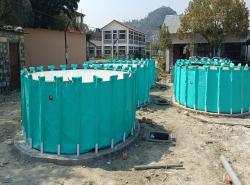
Aquaculture sector is growing rapidly worldwide. This is due to increased population as well people awareness about the importance of aquaculture products in diet. The declining of capture Fisheries have also need attention. There is concern about the healthy and hygiene aquaculture products. The aquaculture needs attention from culture to harvest and processing. Every steps of aquaculture needs attention and also knowledge. I am happy to welcome you this sites which will give you some aspects of knowledge to understand the aquaculture practices as well as conservation of fisheries resources and wise uses of resources.
Contact for Aquaculture and Fisheries related consulting services
📧 akbalhusen@yahoo.com/ akbalhusem2018@gmail.com, 📞 9846115918
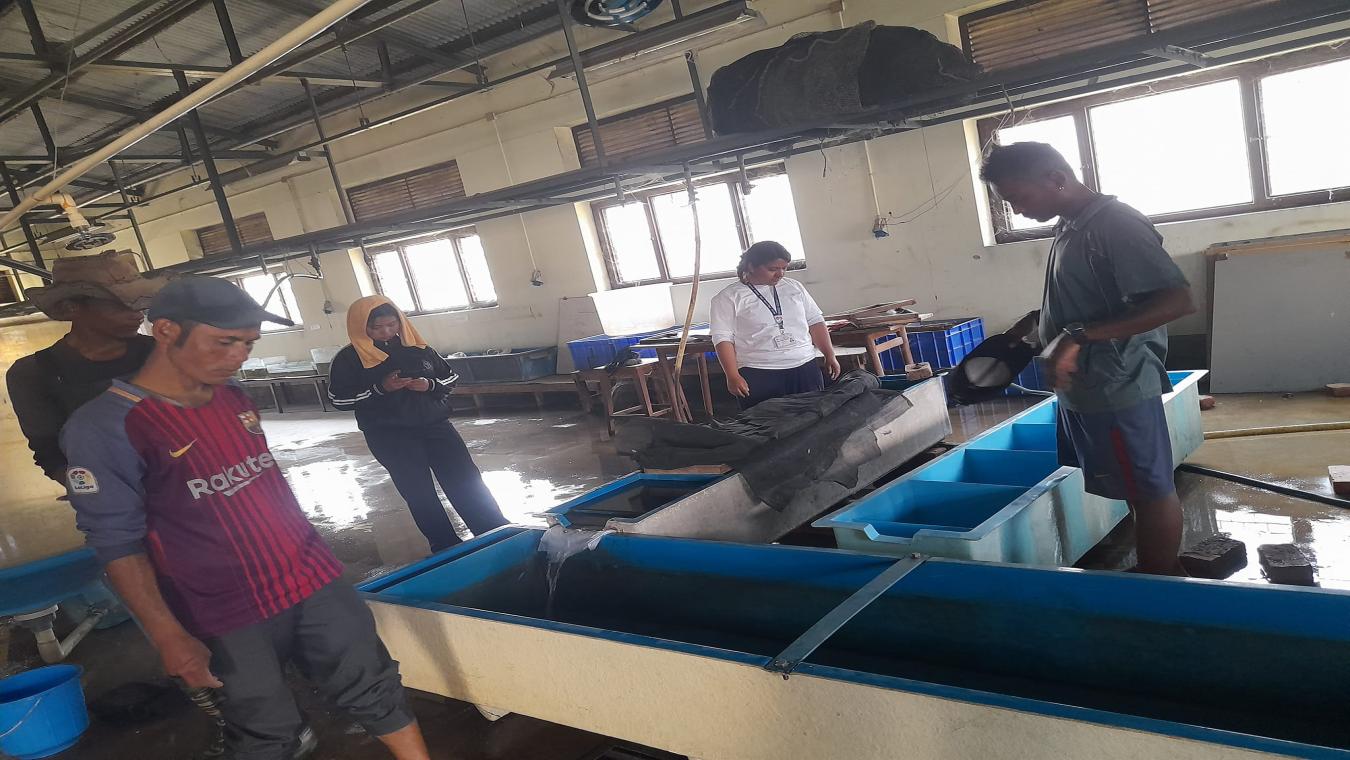
Research and development (R&D) in aquaculture and fisheries play a crucial role in advancing the sustainability, productivity, and resilience of these sectors.
- Genetics and Breeding: Research is conducted to improve the genetic quality of aquatic species, enhancing traits such as growth rate, disease resistance, and tolerance to environmental stressors. Selective breeding programs are developed to produce superior strains of fish, shrimp, and other aquatic organisms.
- Disease Management: R&D efforts focus on understanding the pathogens that affect aquaculture species and developing effective strategies for disease prevention, control, and treatment. This includes the development of vaccines, biosecurity measures, and disease-resistant strains through genetic selection.
- Nutrition and Feed Development: Research is conducted to optimize feed formulations that meet the nutritional requirements of farmed fish and promote growth and health. This includes exploring alternative feed ingredients, such as plant-based proteins and insect meal, to reduce reliance on wild-caught fish for feed.
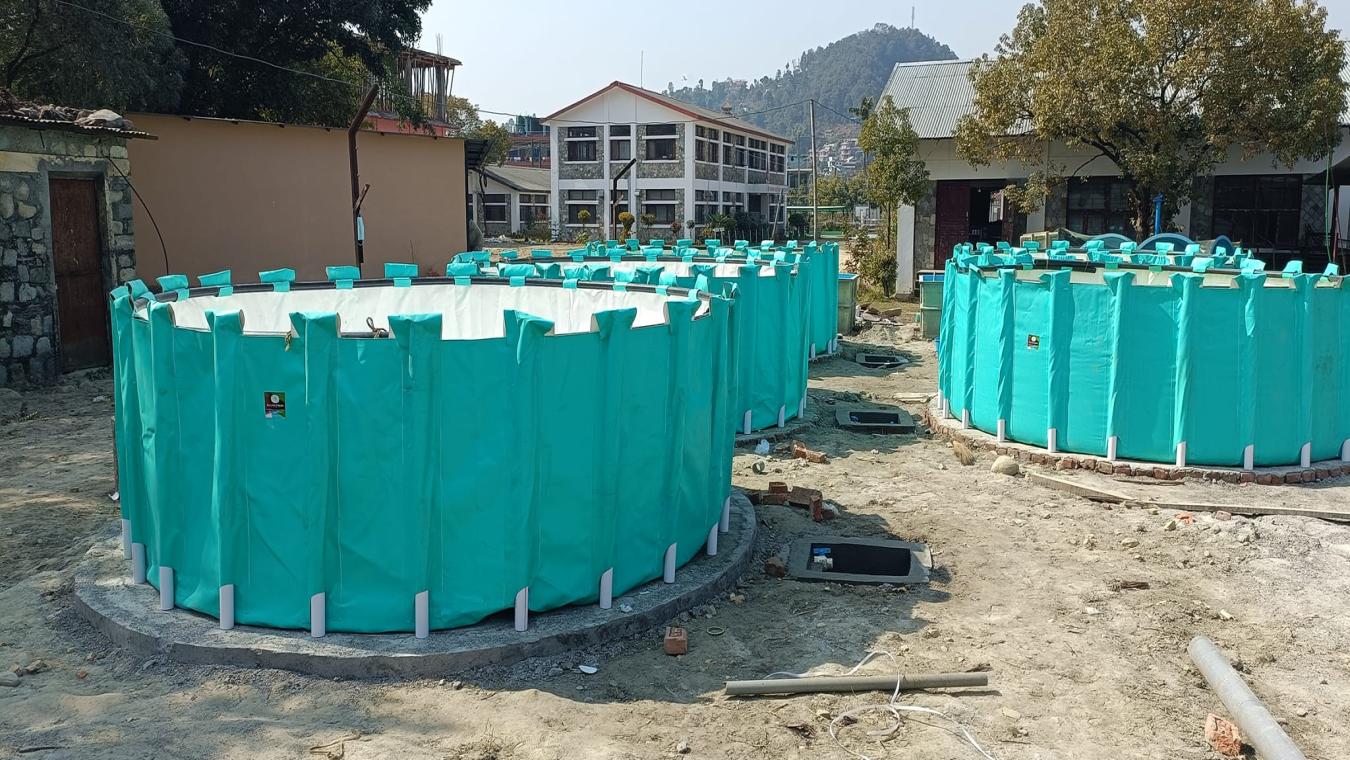
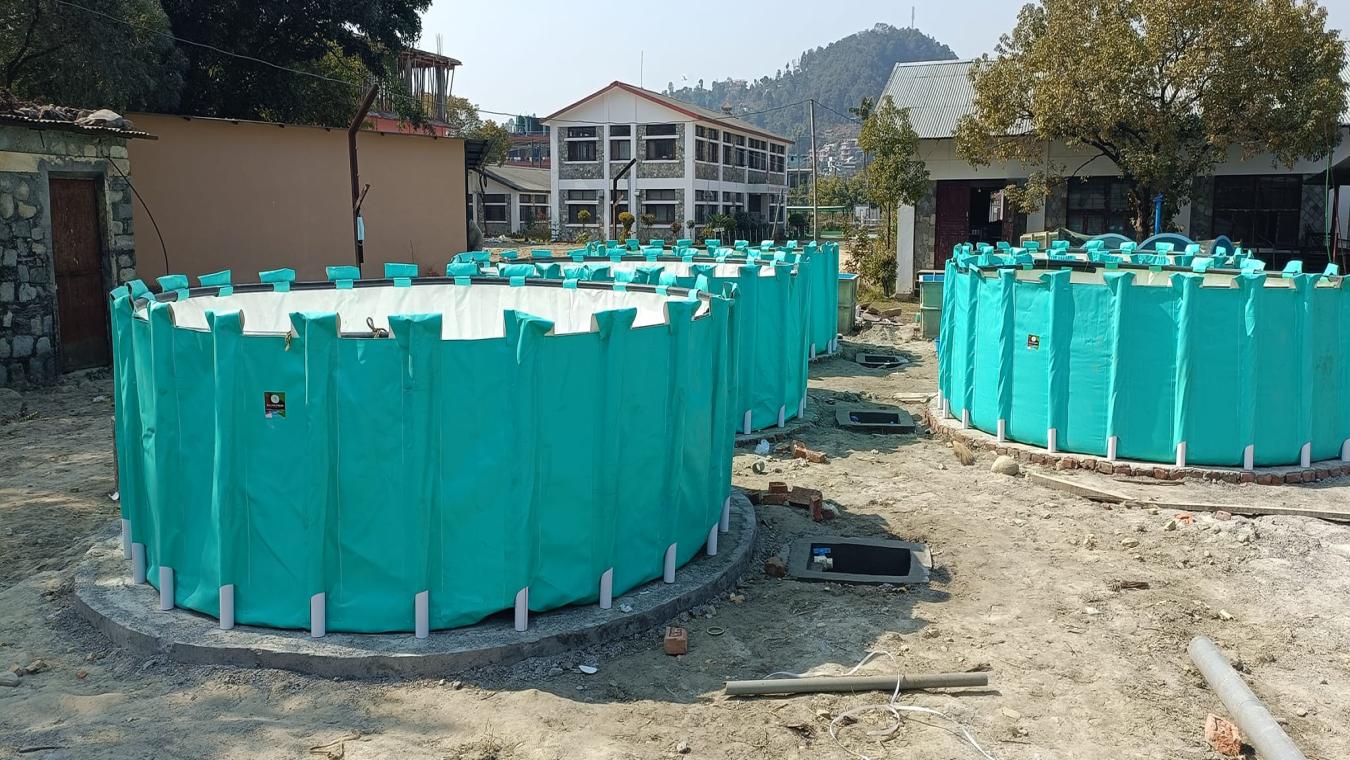
- Aquaculture Systems and Technology: Advances in aquaculture systems and technology aim to improve production efficiency, minimize environmental impact, and enhance resource utilization. This includes the development of recirculating aquaculture systems (RAS), integrated multitrophic aquaculture (IMTA), and automated monitoring and control systems.
- Sustainable Aquaculture Practices: R&D focuses on developing sustainable aquaculture practices that minimize environmental degradation, conserve biodiversity, and promote social responsibility. This includes research into ecosystem-based management approaches, habitat restoration, and certification programs such as Aquaculture Stewardship Council (ASC) standards.
- Climate Change Adaptation: With climate change impacting aquatic ecosystems, R&D efforts seek to understand its effects on aquaculture and fisheries and develop adaptation strategies. This includes research into resilient species and farming practices, as well as forecasting and modeling of climate-related risks.
- Post-Harvest Handling and Processing: Research addresses post-harvest challenges such as storage, transportation, and processing to maintain product quality, safety, and value. This includes developing innovative technologies for preservation, packaging, and value-added product development.
- Market Research and Value Chain Development: R&D efforts encompass market research to identify consumer preferences, market trends, and emerging opportunities. This information informs value chain development strategies aimed at enhancing market access, competitiveness, and profitability for aquaculture and fisheries products.
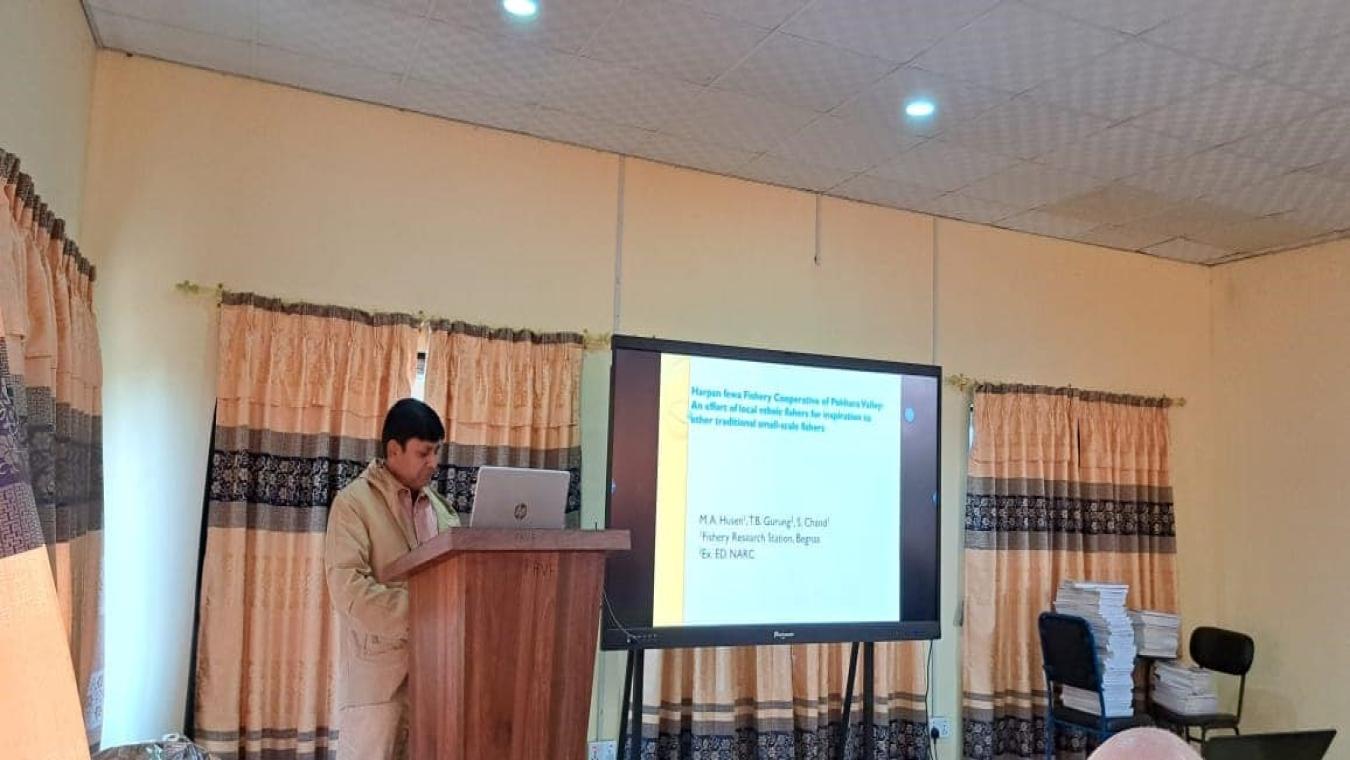
- Capacity Building and Knowledge Transfer: R&D activities include capacity building initiatives to train farmers, researchers, and industry professionals in best practices, innovative technologies, and scientific advancements. Knowledge transfer mechanisms such as extension services, training programs, and information sharing platforms facilitate the uptake of research findings by stakeholders.
By investing in research and development across these key areas, aquaculture and fisheries sectors can address current challenges, capitalize on emerging opportunities, and contribute to sustainable food security, economic growth, and environmental stewardship.
Fish pond monitoring and management services play a crucial role in ensuring the health and productivity of aquaculture operations. These services encompass various activities aimed at optimizing fish growth, minimizing disease outbreaks, and maximizing overall farm efficiency.
- Water Quality Monitoring: Regular monitoring of water quality parameters such as temperature, dissolved oxygen levels, pH, ammonia, nitrite, and nitrate concentrations is essential for assessing the suitability of the pond environment for fish growth. Monitoring helps identify any fluctuations or deviations from optimal conditions that could impact fish health and productivity.
- Fish Health Assessment: Routine health checks and disease surveillance are conducted to detect signs of illness or stress in fish populations. This may involve visual inspections, sampling for laboratory analysis, and monitoring behavioral indicators. Early detection of health issues allows for prompt intervention measures to prevent disease outbreaks and minimize losses.
- Feeding Management: Proper feeding practices are crucial for maximizing fish growth and minimizing feed wastage. Monitoring feed consumption rates, adjusting feeding frequencies and quantities based on fish growth stages and environmental conditions, and ensuring the quality of feed are important aspects of feeding management services.
- Stocking Density Management: Monitoring fish stocking densities helps prevent overcrowding, which can lead to stress, competition for resources, and increased susceptibility to diseases. By regularly assessing fish populations and adjusting stocking densities as needed, optimal growth rates and overall pond health can be maintained.
- Water Exchange and Aeration: Monitoring water exchange rates and implementing aeration systems are essential for maintaining adequate oxygen levels in the pond, especially during periods of high stocking densities or warm weather conditions. Proper aeration helps prevent oxygen depletion and ensures optimal fish health and growth.
- Harvesting and Marketing Support: Fish pond monitoring and management services may also include assistance with harvest planning, fish grading, and marketing strategies. Timely and efficient harvesting practices help optimize yields and maximize profitability for aquaculture farmers.
- Data Management and Reporting: Keeping detailed records of monitoring data, observations, and management activities is essential for tracking pond performance over time and identifying trends or patterns. Comprehensive reporting allows farmers to make informed decisions and implement targeted management interventions as needed.
Overall, fish pond monitoring and management services provide valuable support to aquaculture farmers in optimizing production efficiency, ensuring fish health and welfare, and promoting sustainable aquaculture practices.
Proposal writing services related to fishery and aquaculture development focus on assisting individuals, organizations, or governments in creating comprehensive proposals aimed at advancing the development and sustainability of fisheries and aquaculture sectors.
- Needs Assessment and Goal Identification: Proposal writers collaborate with clients to assess the current state of fisheries and aquaculture in the target region or community. They identify key challenges, opportunities, and goals related to sustainable development, economic growth, food security, and environmental conservation.
- Research and Data Collection: Writers conduct extensive research to gather relevant data, statistics, and insights about local fishery and aquaculture practices, market demand, regulatory frameworks, and environmental factors. They may also review scientific literature, government reports, and industry publications to inform their proposals.
- Strategic Planning: Based on the needs assessment and research findings, proposal writers develop strategic plans and interventions to address identified challenges and achieve desired outcomes. This may involve proposing specific projects, initiatives, or policy reforms aimed at enhancing productivity, sustainability, and resilience in the fisheries and aquaculture sectors.
- Stakeholder Engagement: Writers facilitate stakeholder consultations and engagement activities to ensure that the proposed initiatives align with the needs and priorities of local communities, fishers, aquaculturists, government agencies, NGOs, and other relevant stakeholders. They may organize workshops, focus groups, or interviews to gather input and feedback.
- Budgeting and Resource Allocation: Proposal writers develop detailed budgets and financial plans that outline the costs associated with implementing the proposed projects or initiatives. They carefully allocate resources, taking into account funding sources, cost-effectiveness, and potential revenue streams to ensure financial sustainability.
- Monitoring and Evaluation Framework: Writers design monitoring and evaluation frameworks to assess the impact and effectiveness of the proposed interventions over time. They define key performance indicators (KPIs), data collection methods, and evaluation criteria to track progress, measure outcomes, and make informed adjustments as needed.
- Writing and Presentation: Proposal writers craft clear, concise, and compelling narratives that effectively communicate the rationale, objectives, methodologies, and expected outcomes of the proposed projects or initiatives. They use persuasive language, evidence-based arguments, and visual aids to engage funders, policymakers, and other decision-makers.
- Editing and Review: Once the proposal draft is complete, writers conduct thorough editing and review processes to ensure accuracy, coherence, and alignment with the client's objectives and requirements. They may seek feedback from subject matter experts, peer reviewers, or internal stakeholders to strengthen the proposal further.
- Submission and Follow-Up: Finally, proposal writers assist clients in preparing submission packages and navigating the application process with funding agencies, donors, or other relevant entities. They may provide guidance on proposal submission deadlines, requirements, and follow-up procedures to maximize the chances of success.
Overall, proposal writing services related to fishery and aquaculture development play a vital role in advancing sustainable practices, improving livelihoods, and promoting environmental stewardship in coastal and inland communities around the world. By leveraging their expertise in research, strategic planning, stakeholder engagement, and proposal writing, these services help clients secure funding, implement impactful projects, and contribute to the long-term resilience and prosperity of fisheries and aquaculture sectors.